2026 ASN Nephrology Fellow Survey
workforce
fellow
survey
report
Report on the 13th Annual ASN Nephrology Fellow Survey

At a Glance
New This Year Because international medical graduates (IMGs) comprise a majority of nephrology fellows, survey results are now analyzed by visa status with selected longitudinal analyses also stratified by medical school location (U.S. vs. international). In 2026, visa holders accounted for 36% of adult, 11% of pediatric, and 55% of transplant fellow respondents.
Response Rate A total of 384 adult, pediatric, and adult/pediatric nephrology fellows participated in ASN’s 13th Nephrology Fellow Survey (response rate, 39%), with a separate ASN Transplant Nephrology Fellow Survey receiving 21 responses (55% response rate). Overall, 405 out of the approximately 1,029 U.S. nephrologists in training responded to the annual survey between April 27 and May 27, 2026.
Starting Salaries
- Adult fellows reported a median base salary of $251,000, which is comparable to the 2025 survey. This year women’s starting salaries (median $252,000) achieved parity with the men’s (median $250,000). Visa holders reported a median base salary of $261,000 vs. $250,000 for U.S. citizens/permanent residents.
- Pediatric and adult/pediatric fellows reported a median base salary of $200,000, also similar to 2025.
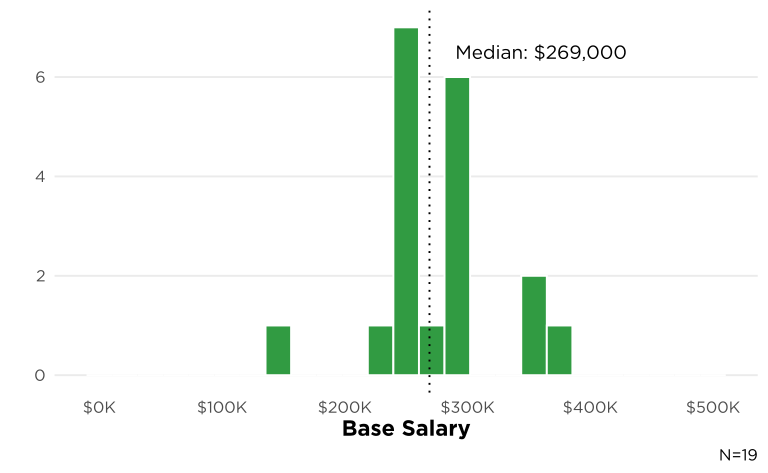
- Transplant fellows’ median base salary rose 5% to $269,000, although this varied by job type from a median $252,000 for respondents entering full-time transplant nephrology positions to $300,000 for those starting in a joint transplant/general nephrology role.
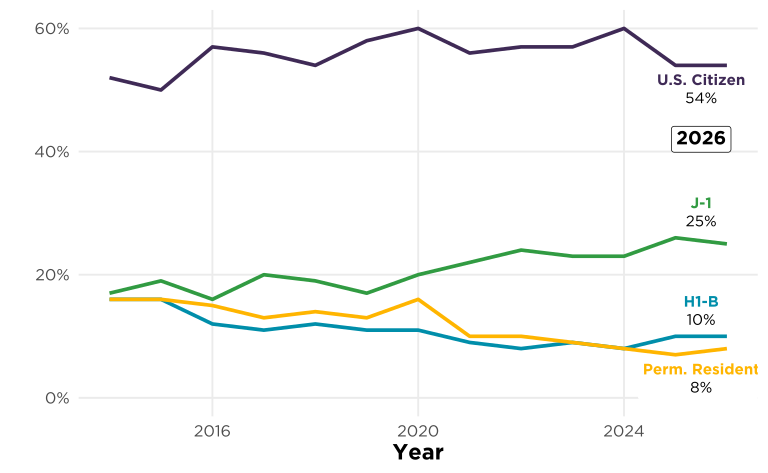
Visa Status Trends Over the past 13 years, most adult fellow respondents have been U.S. citizens, accounting for 54% of survey participants in 2026 (Figure). However, this year, 61% of adult respondents were IMGs, which indicates that a proportion of IMG respondents are either U.S. citizen IMGs or naturalized citizens (see Table 2 for comparisons of this year’s cohort). This gives a unique viewpoint on the nephrology training workforce of IMGs, which, to our knowledge, is not captured elsewhere. Because national data on visa status among adult nephrology fellows are not publicly available, the fellow survey also provides a valuable source of longitudinal information. Since the survey’s inception in 2014, the proportion of respondents training on J-1 visas has steadily increased. Of note, physicians training on J-1 visas are now subject to new duration-of-status limitations.
Job Market Perceptions
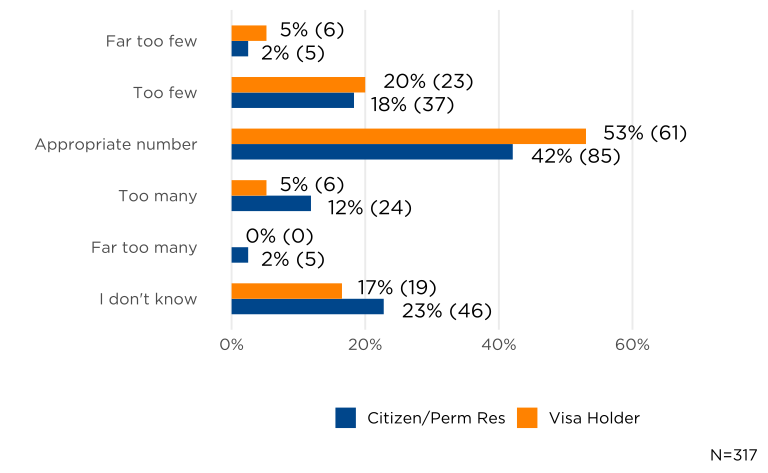
Adult fellows training on visas were not optimistic about opportunities in their local market, with just 29% of visa holders perceiving an appropriate number of jobs within a 50-mile radius of their training location, compared with 41% of U.S. citizens/permanent residents. However, these views flipped when evaluating the national job market where 53% of visa holders saw an appropriate number of jobs vs. 42% of U.S. citizens/permanent residents.
Pediatric fellows, however, were optimistic about both local (54% perceiving appropriate job opportunities) and national job markets (51%).
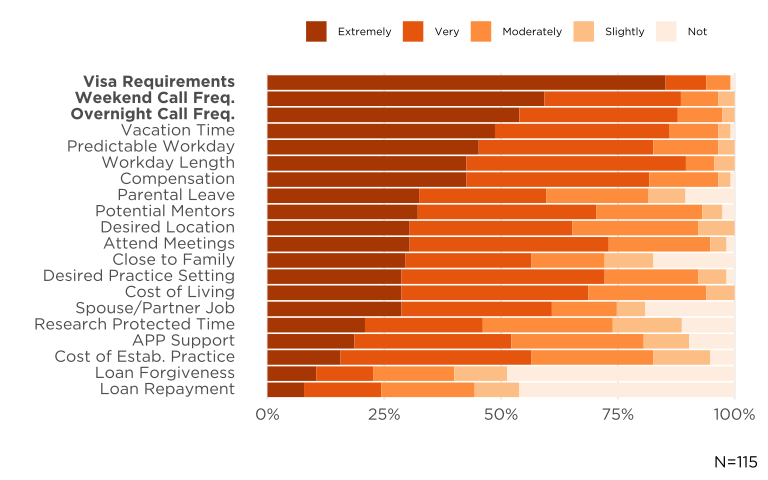
Important Factors Overnight and weekend call schedules were the most important factors respondents weighed when evaluating employment offers. Call schedules were among the top 3 factors for all respondents, with finding a position that meets visa requirements the top factor rated extremely important by visa holders.
Recommending Nephrology Nine out of 10 adult and pediatric respondents would recommend nephrology as a career, including 92% of visa holders and 94% of U.S. citizens/permanent residents. Reasons for recommending the specialty included the intellectual challenges, longitudinal patient relationships, broad scope of practice, and expanding therapeutic options. Respondents who would not recommend nephrology cited a perceived mismatch between effort and compensation, demanding work-life balance challenges, and the realities of clinical practice.
Adult Fellow Respondents’ Citizenship 2014–2026
I. Incoming Workforce Demographics
In 2026, 39% of current adult, pediatric, and adult/pediatric nephrology fellows (384 of 991 fellows in training) responded to the 13th ASN Nephrology Fellow Survey (Table 1). Respondents comprised 38% of all adult fellows and 47% of all pediatric fellows. Compared with data from the Accreditation Council for Graduate Medical Education (ACGME) Data Resource Book for academic year (AY) 2024–2025, White adult respondents were significantly overrepresented (p=0.05, Chi-squared goodness of fit with Holm correction). Although the proportion of IMG adult fellow respondents was similar to the ACGME data, with 54% reporting as U.S. citizens, some of these respondents may be U.S. citizen IMGs or naturalized Americans. First-year pediatric respondents were significantly younger (p=0.008, Student’s t-test; Table 2). One in 4 (26%) adult and pediatric respondents graduated from an osteopathic medical school. Nearly all participants were training at academic institutions, except for 5% of adult fellows training in community hospitals.
Table 1: 2026 Nephrology Fellow Survey Participant Demographics*
| Characteristic | Adult (N=340) | Pediatrics (N=38)† | Adult/Pediatrics (N=6)†‡ |
|---|---|---|---|
| Educational Status | |||
| USMG | 133 (39%) | 30 (79%) | — |
| IMG | 205 (61%) | 8 (21%) | — |
| Years of Training Completed | |||
| 1 | 145 (43%) | 4 (11%) | 2 (33%) |
| 2 | 186 (55%) | 13 (34%) | 1 (17%) |
| 3 | 6 (2%) | 21 (55%) | 1 (17%) |
| 4 or more | 3 (1%) | — | 2 (33%) |
| Gender Identity | |||
| Man | 195 (59%) | 11 (29%) | — |
| Woman | 127 (38%) | 26 (68%) | — |
| Gender non-binary | 1 (0%) | — | — |
| Prefer not to answer | 7 (2%) | 1 (3%) | — |
| Mean Age (Years) | 34.3 | 34.4 | 34.3 |
| Citizenship Status | |||
| U.S. citizen | 179 (54%) | 33 (87%) | 6 (100%) |
| Permanent resident | 26 (8%) | — | — |
| H-1, H-2, or H-3 visa (temporary worker) | 33 (10%) | 4 (11%) | — |
| J-1 or J-2 visa (exchange visitor) | 84 (25%) | 1 (3%) | — |
| Other | 3 (1%) | — | — |
| Prefer not to answer | 5 (2%) | — | — |
| Ethnicity | |||
| Hispanic/Latina/Latino | 36 (11%) | 3 (8%) | — |
| Prefer not to answer | 12 (4%) | 1 (3%) | — |
| Race | |||
| American Indian or Alaska Native | 0 (0%) | 0 (0%) | — |
| Asian Total | 157 (46%) | 13 (32%) | — |
| –East Asian | 24 (7%) | 4 (10%) | — |
| –South Asian | 118 (36%) | 8 (20%) | — |
| –Southeast Asian | 15 (5%) | 1 (2%) | — |
| Black or African American | 23 (7%) | 4 (10%) | — |
| Pacific Islander | 1 (0%) | 0 (0%) | — |
| Prefer not to answer | 37 (11%) | 2 (5%) | — |
| White | 113 (34%) | 22 (54%) | — |
| Census Region | |||
| Northeast | 104 (31%) | 13 (34%) | 1 (17%) |
| South | 112 (34%) | 12 (32%) | 2 (33%) |
| Midwest | 70 (21%) | 9 (24%) | 3 (50%) |
| West | 46 (14%) | 4 (11%) | — |
| *Percentages may be reported as 0% and/or not total to 100% due to rounding. | |||
| †— = not recorded or not reported. IMG = international medical graduate. USMG = U.S. medical graduate. | |||
| ‡Multiple values were censored due to small number of respondents. | |||
Table 2: Respondent Demographics vs. Fellow Population*
| Adult Nephrology Fellows | ||
| Variable | ASN Survey | ACGME† |
|---|---|---|
| Mean PGY-4 Age (Years) | 34 | 34 |
| IMGs | 61% | 62% |
| Women | 38% | 38% |
| Asian | 46% | 44% |
| Hispanic/Latina/Latino | 11% | 11% |
| Black or African American | 7% | 6% |
| White | 34% | 24% |
| *IMG = international medical graduate. USMG = U.S. medical graduate. | ||
| †Adult nephrology fellows reported in ACGME Data Resource Book AY 2024-2025. | ||
| Pediatric Nephrology Fellows | ||
| Variable | ASN Survey | ACGME‡ |
|---|---|---|
| Mean PGY-4 Age (Years) | 31 | 33 |
| IMGs | 21% | 27% |
| Women | 68% | 70% |
| Asian | 32% | 24% |
| Hispanic/Latina/Latino | 8% | 13% |
| Black or African American | 10% | 6% |
| White | 54% | 47% |
| *IMG = international medical graduate. USMG = U.S. medical graduate. | ||
| ‡Pediatric nephrology fellows reported in ACGME Data Resource Book AY 2024-2025. | ||
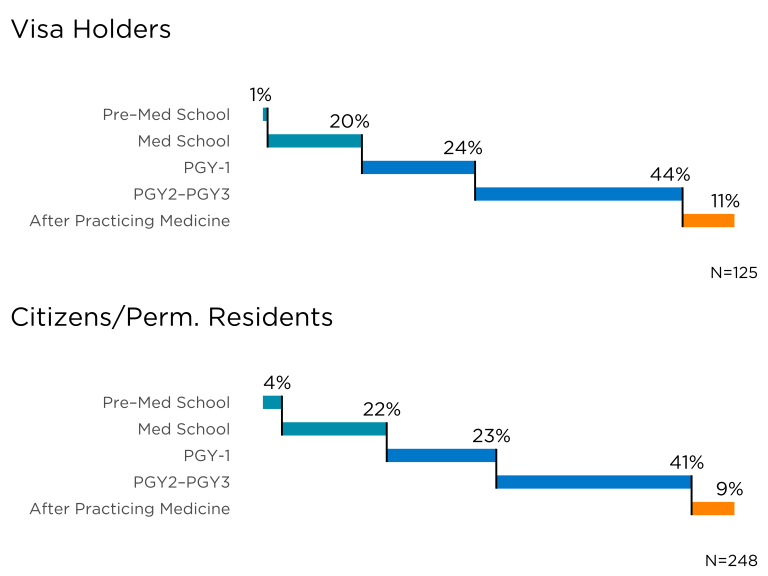
One-third of adult and 11% of pediatric fellows were pursuing fellowship on a visa (Figure 1). Nine of 10 adult fellow respondents were pursuing general nephrology training, and the remaining enrolled in subspecialty programs—nephrology–critical care medicine (15 fellows), research (9), other (1), and transplant (1 fellow) (Figure 2). U.S. citizens and permanent residents report substantial educational debt— median $248,000—more than 20 times that of visa holders (median $11,500) (Figure 3). Overall, 96 respondents (25%) had participated in at least one ASN program. Nineteen percent of respondents had participated in Kidney STARS and 10% were Campbell Fellows (Table 3). A majority of fellows reported choosing nephrology during their second/third years of residency regardless if they were a citizen/permanent resident or visa holder (Figure 4).
Figure 1: Respondents’ Citizenship Status
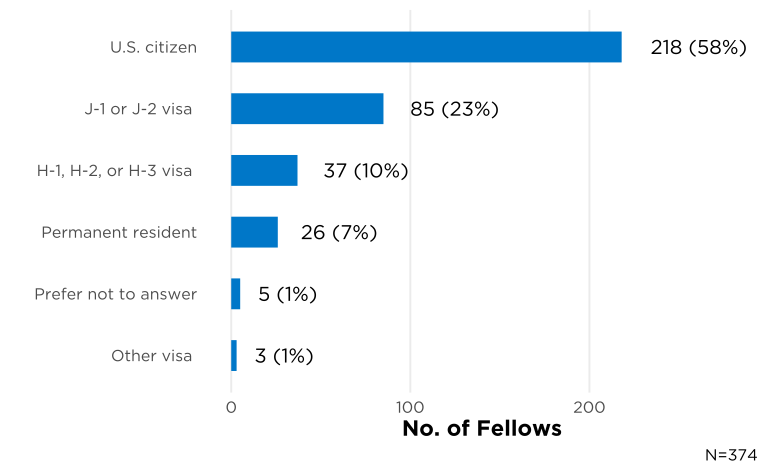
Figure 2: Current Adult Fellowship Type
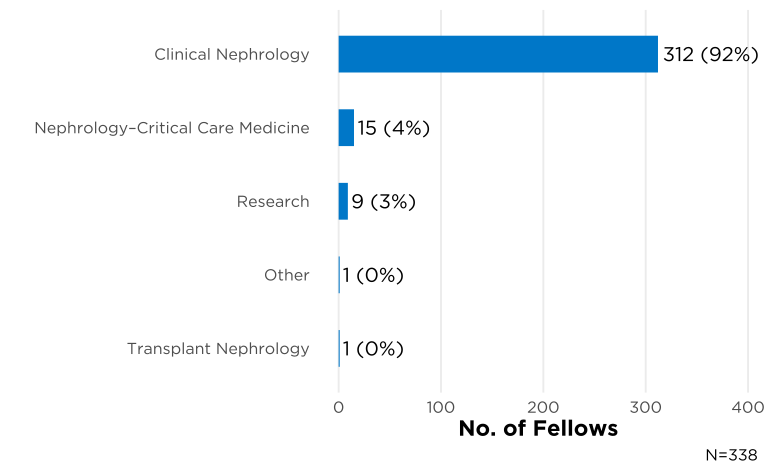
Figure 3: Educational Debt by Visa Status
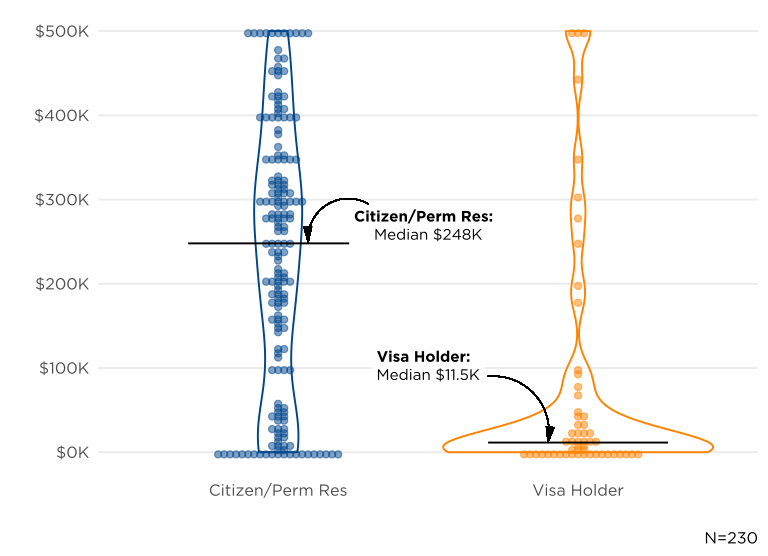
Table 3: ASN Program Participation
| ASN Program | Description | N (%)* |
|---|---|---|
| Kidney STARS | Free Kidney Week Registration & Networking Opportunities | 72 (19%) |
| Campbell Fellows | Travel Support Program for Fellows | 37 (10%) |
| Kidney TREKS | 1-week Research Course Retreat & Long-Term Mentorship Program | 5 (1%) |
| Lipps Research Fellowship | Research Fellowships Funding Fellows Conducting Original, Meritorious Research Projects | 2 (1%) |
| *N=384 | ||
Figure 4: Choosing Nephrology
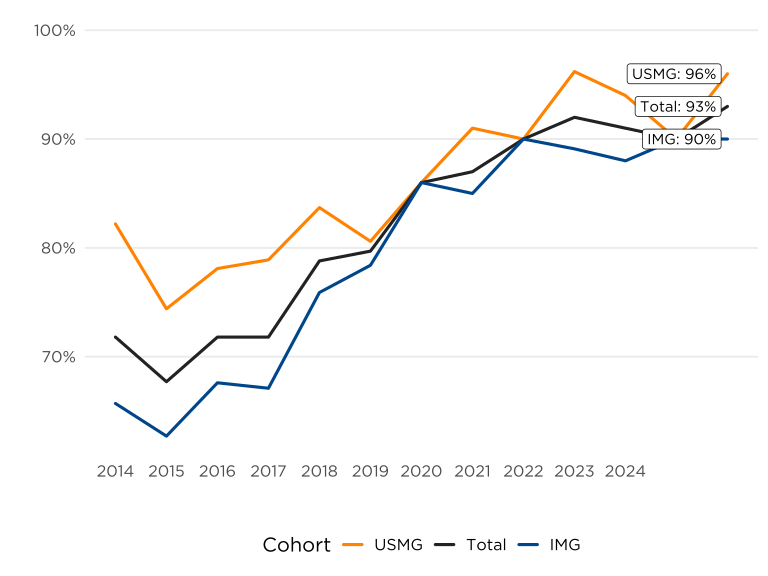
Overall, 93% of adult and pediatric fellow respondents (349 fellows) would recommend the specialty to medical students and residents, with 7% (26 fellows) not recommending nephrology (Figure 5). Whether respondents would recommend nephrology did not differ by visa status, with 92% visa holders (115 respondents) and 94% of U.S. citizen/permanent residents (233 respondents) endorsing the subspecialty.
Figure 5: Percent Respondents Recommending Nephrology
Recommend Nephrology
This year, nephrology fellow respondents who would recommend the specialty cited multiple reasons:
1. Intellectual Challenge of Renal Physiology The demanding physiology and problem-solving required to address complex clinical cases make nephrology intellectually stimulating.
It is enriching and fulfilling the level of knowledge you possibly can acquire about the physiological processes of the human body.
Interesting, innovative, connected to basic medical sciences. Pathophysiology oriented clinical practice.
Nephrology is about problem-solving and understanding medicine without compromising.
It presents an intellectually stimulating field of medicine that I believe will remain interesting and fulfilling throughout decades of practice.
People are afraid of nephrology because of the physiology, but in reality, that’s what makes it fun.
It is a specialty in which one learns to reason their way through clinical presentations, rather than rely on algorithmic approaches.
It feels like a specialty where physiology is not abstract—it is immediately visible in the patient in front of you.
2. Impact of Patient Relationships Respondents recommending nephrology valued the meaningful patient connections developed across longitudinal care.
You can manage patients with chronic kidney disease in the long term and build relationships with patients and their family.
I chose nephrology because it is where I felt I could make the most impact in patient’s lives.
I won’t give a generic or romanticized answer about why to choose nephrology. Recently, during a night shift, I received a call from the ER about a patient with ESRD who had missed hemodialysis and presented with severe hyperkalemia and concerning ECG changes. ECG with severe wide QRS and bradycardia. It was my first time managing a case with such significant ECG abnormalities. I arrived at the hospital at 2 a.m., and I still can’t fully describe the feeling of seeing the ECG improve after initiating emergent hemodialysis. That moment—being able to intervene so directly and see an immediate, life-saving impact—is why I recommend nephrology.
A privilege to care for many underserved patients.
Longitudinally follow patients throughout their disease course (CKD → dialysis → transplant).
3. Nephrology’s Breadth, Variety, Flexibility The diversity of practice settings and ability to specialize within nephrology was appealing to respondents.
Lots of options in the field to make of it what interests you the best.
Great blend of complex primary care, hospital medicine, and ICU.
Variety of practice settings. Depending on the practice type and site, it can be financially lucrative.
Nephrology is for the internist who wants to remain broad in medicine while enjoying the perks of being a subspecialist.
Offers much more varied career opportunities and opportunity for scholarship than can be found in general medicine.
Broad specialty that allows for finding your niche (GN, dialysis, onconeph, CKD management, ICU-based therapy).
4. Growing Field and Opportunities A new crop of therapies together with a rising demand for kidney health services fueled optimism about the specialty.
There have been a lot of new developments in the world of nephrology in recent years, with increasing therapeutic options available where there previously were not. This makes nephrology an exciting field to join. Additionally, the need for nephrologists will only continue to increase moving forward, so it is a great opportunity for those seeking to help fill a need for underserved populations.
New emerging therapies and burden of kidney disease and diagnosis of once rare diseases is increasing through genetics.
Onconephrology is a rapidly growing field, so there is job security and choice generally on where you get to work and live.
There is definitely a need for more nephrologists; there are a lot of new drugs/upcoming research.
A rapidly evolving field with growing advances in genetics, precision medicine, home dialysis, and transplant innovation.
Low competition, good faculty usually, diverse pathology.
Many opportunities for research, particularly in health disparities.
The community of physicians is generally cool, compassionate, and fun to work with.
Not Recommend Nephrology
Fellows who would not recommend nephrology indicated:
1. Inadequate Compensation Pay was seen as unfair relative to acuity of care provided.
Very busy work schedule, frequent calls and weekend calls, with poor compensation compared to the volume and level of acuity of patients seen. I love the physiology behind it and the relationships I build with my patients, but I find that we are not fairly compensated for our efforts and in the long run, that makes a provider feel unappreciated and increases risk of burnout.
Pay is becoming more unsustainable. Needing to take more and more responsibilities without compensations.
The workload is incredibly demanding and not appropriately compensated.
I do caution though that our salary is very inequitable compared to our adult counterparts and other pediatric subspecialities for the amount of work that we do, and this isn’t something to take lightly when repaying debt is a huge thing to consider.
2. Heavy Workload & Poor Work-Life Balance Responding fellows pointed to the high clinical volume, frequent call schedules, and travel as eroding work-life balance.
The job opportunities in nephrology can be quite depressing, characterized by large workload, a lot of travel time, and low pay.
Very busy work schedule, frequent calls, and weekend calls.
Because of the patient volume, sometimes you get too many unnecessary consults that could be easily managed by primary team, then the compensation is going down, the work-life balance is getting affected. Looking at my attendings who are working more than a cardiologist or any other specialty and having disturbed sleeps while earning less than the hospitalists. If only training would be tough I would have recommended it, but the work-life balance is mot good even after you become an attending.
Nephrology is a tough subspecialty with a large work burden.
3. Better Alternatives Exist Hospital medicine or other specialties offer more pay for similar or fewer years of training.
I can make more in IM hospitalist than here.
You can work for a better salary with a better schedule (eg 2 weeks on/off) as a hospitalist despite 2 additional years of training.
Earning less than the hospitalists.
Except a person is fully motivated, I would advise them to pursue a more rewarding specialty.
4. Frustrating Practice Realities Logistical burdens, unnecessary consults, and a competitive job market frustrated some respondents.
Carries a significant social burden that for some reason is the physician’s role to take care of despite ancillary staff. Cases tend to be less intellectually challenging and more logistically challenging.
Sometimes you get too many unnecessary consults that could be easily managed by primary team.
There is so much you are not exposed to until you get into fellowship and then fellowship did not prepare me for the realities of the job search.
II. Future Plans
NoteThis Section Reports ADULT Fellow Responses Only
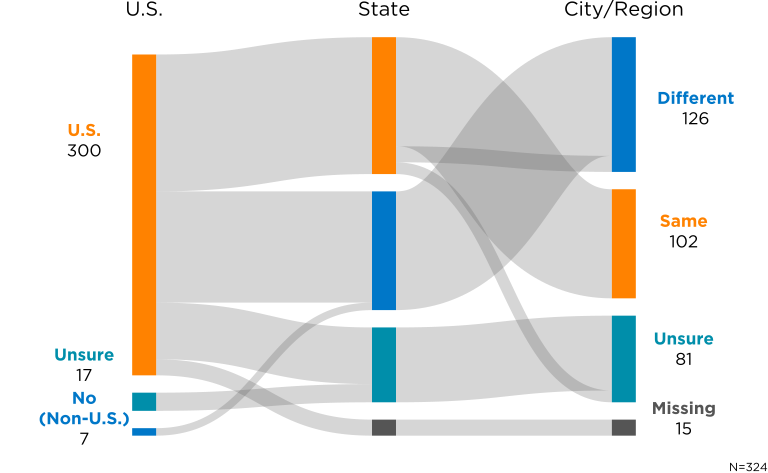
Asked about their plans for the end of the academic year, 148 adult respondents (44%) were continuing their current fellowship (Figure 6). Of the 178 fellow respondents completing their training, 69 (39%) planned on entering private practice, 38 (21%) academic practice, and 50 (28%) planned to pursue additional post-fellowship training. Eight (5%) were intending to enter an internal medicine (IM) residency. Since the 2019 Fellow Survey, between 4 and 15 fellow respondents have indicated they were entering an IM residency post-fellowship. Of the 50 pursuing further training, 34 (68%) were entering a transplant nephrology fellowship, 7 (14%) critical care, 5 (10%) glomerular disease, 2 (4%) onconephrology, and 1 each (2%) in research and home dialysis. All but 7 adult respondents planned to enter their first post-fellowship job in the U.S., with 40% planning to remain in the same state and 32% in the same city/region as their training institution (Figure 7).
Figure 6: Future Plans
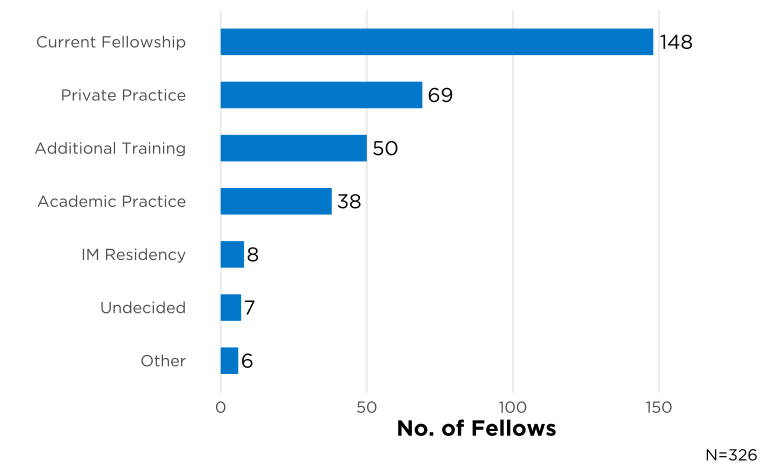
Figure 7: Planned Post-Fellowship Job Location
Job Market Perspectives
Although subjective, fellows’ perceptions of nephrology employment opportunities are a leading indicator of the demand for nephrologists in the local (within 50 miles of their training program) and national nephrology job markets. Forty-four percent of visa holders believed there too few or far too few job opportunities within close proximity to their fellowship location, whereas 41% of U.S. citizens/permanent residents perceived an appropriate number (Figure 8). Similar to previous surveys, which analyzed perceptions by medical school location, national job market perceptions were flipped, with more visa holders (53%) perceiving an appropriate number of job opportunities vs. 42% of U.S. citizens/permanent residents (Figure 9). Of note, 1 in 5 respondents who were PGY-5 or beyond were unsure of job opportunities in either the local (9%) or national (10%) market.
Figure 8: Local Job Market Perspectives
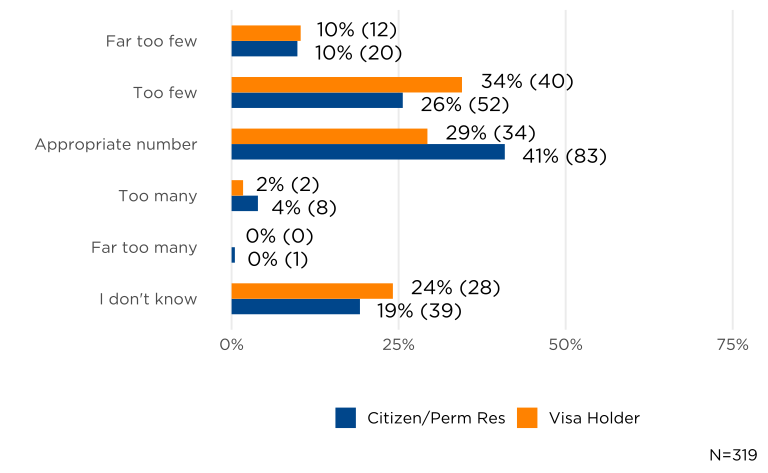
Figure 9: National Job Market Perspectives
Important Factors When Choosing a Job
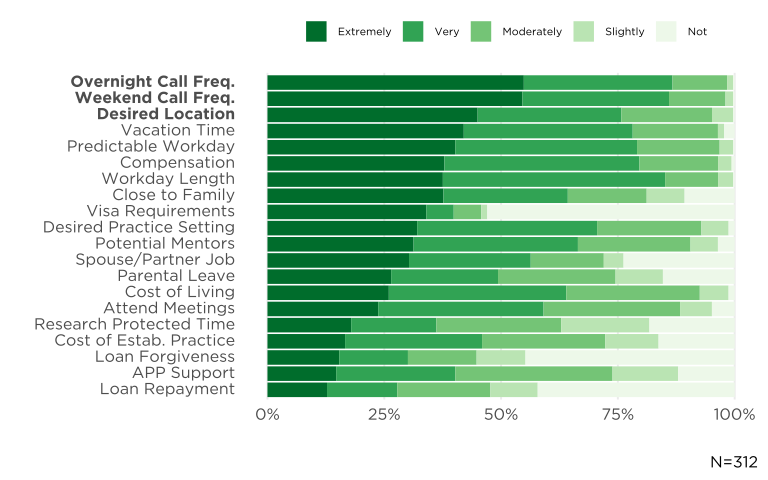
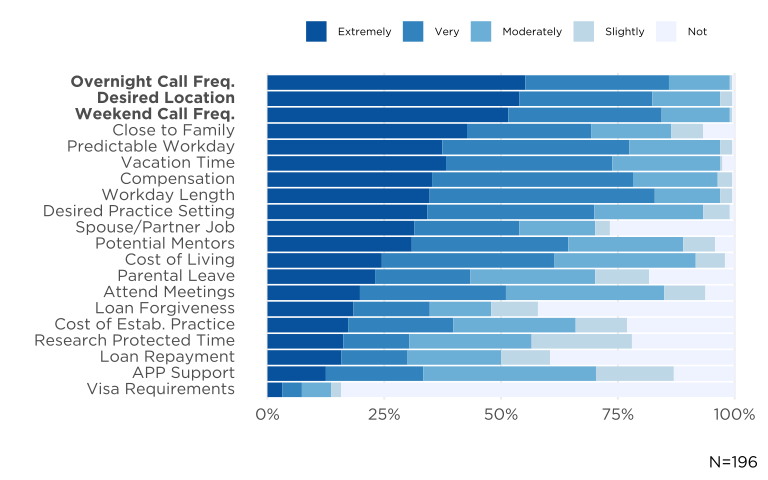
When respondents are considering employment offers, they heavily favor lifestyle aspects of the position; night and weekend call frequency and desired locale were the top 3 overall with vacation time and predictable workday completing the top 5 extremely important factors (Figure 10). Compensation was ranked the 6th most important factor in determining a suitable position. Although call frequency was in the top 3 regardless of visa status, finding a job that meets visa requirements was the most important requirement for responding visa holders, while U.S. citizen/permanent residents also valued a position in close proximity to their family.
Figure 10: Important Factors
III. Fellow Job Search Experiences
NoteThis Section Reports ADULT Fellow Responses Only
At the time of survey completion (see Methods), 112 responding adult fellows had initiated their job search, mainly focused on clinical nephrology positions (109 respondents, 97%) (Table 4). Twelve were searching for a nephro-hospitalist position and 3 a general hospital medicine position. Only 5% of fellows sought a research-focused position. One-third (36%, 40 respondents) experienced difficulty in finding a position they considered satisfactory, with a lack of jobs offering adequate salary and in a desired location most cited by both visa holders and U.S. citizens/permanent residents (Table 5).
Table 4: Positions Sought
| Positions Sought | |
| Job Type | N |
|---|---|
| Clinical Nephrology | 109 |
| Medical Education | 20 |
| Hospitalist—Nephrology | 12 |
| Nephrology—Research | 5 |
| Dual Nephrology/Other Specialty | 4 |
| Hospitalist | 3 |
| Primary care | 3 |
| Other Specialty | 2 |
| Industry | 2 |
| Non-nephrology—Research | 1 |
| Other | 1 |
| *N=112. | |
Table 5: Reasons Cited for Difficulty in Finding a Satisfactory Nephrology Position*
| Unable to Find a Job: | Visa Holder (N=13) | Citizen/Perm Res (N=27) |
|---|---|---|
| That met visa status requirements | 12 (92%) | 1 (4%) |
| In a desired location | 10 (77%) | 16 (59%) |
| In a desired practice setting (e.g., hospital, group practice) | 8 (62%) | 13 (48%) |
| Offering adequate salary/compensation | 8 (62%) | 19 (70%) |
| Offering employment opportunities for spouse/partner | 3 (23%) | 5 (19%) |
| Other | — | 2 (7%) |
| *N=40 | ||
IV. Entering Practice
NoteThis Section Reports ADULT Fellow Responses Only
Adult fellow respondents applied for a median of 5 positions and received a median 3 employment offers. One hundred eleven respondents were offered a position and either accepted (101 respondents) or were continuing their search (10). Half were entering private practice (56 respondents, 52%), with 32 (40%) starting in academic hospitals, 15 (14%) in non-academic hospitals, and 4 respondents (4%) in government (Figure 11). Most fellow respondents (102 fellows, 94%) were entering clinical nephrology positions (Figure 12) where they would be responsible for outpatient clinic, CRRT, in-center hemodialysis, and PD (all ≥80% of respondents), with two-thirds indicating they would oversee home hemodialysis (67%) (Table 6).
Figure 11: First Position Employer
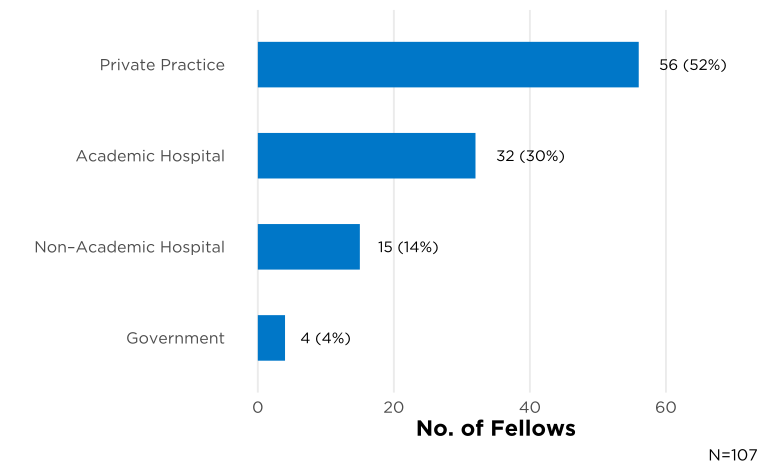
Figure 12: First Position Focus
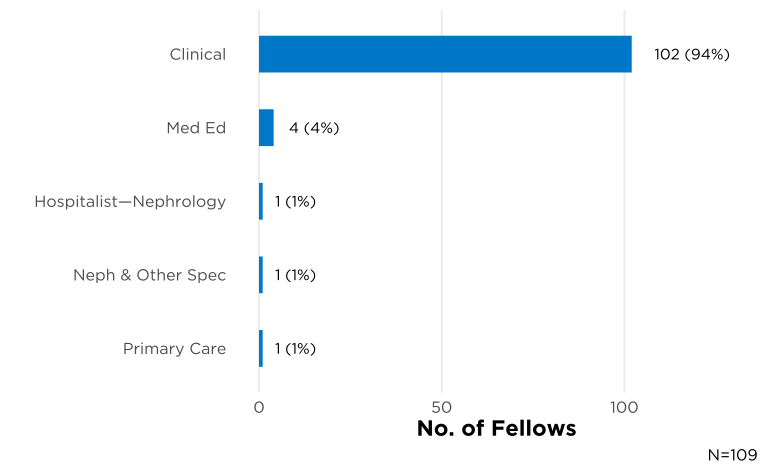
Table 6: Responsibilities in Practice
| Responsibility | N (%)* |
|---|---|
| General Nephrology Outpatient Clinic | 103 (94%) |
| CRRT | 95 (87%) |
| Outpatient—In-center HD | 94 (86%) |
| PD | 88 (81%) |
| Home HD | 73 (67%) |
| Hypertension Specialty Clinic | 43 (39%) |
| Education | 41 (38%) |
| Dialysis Medical Director | 30 (28%) |
| Clinical research | 26 (24%) |
| Glomerular Disease Specialty Clinic | 25 (23%) |
| PLEX | 23 (21%) |
| Apheresis | 22 (20%) |
| Nephrolithiasis Specialty Clinic | 19 (17%) |
| POCUS | 16 (15%) |
| Joint Venture—Dialysis | 16 (15%) |
| Transplant Outpatient Clinic | 15 (14%) |
| Dialysis catheter placement | 12 (11%) |
| Kidney biopsy | 6 (6%) |
| Interventional nephrology | 4 (4%) |
| Translational research | 3 (3%) |
| Other | 2 (2%) |
| Basic science research | 1 (1%) |
| *N=109 | |
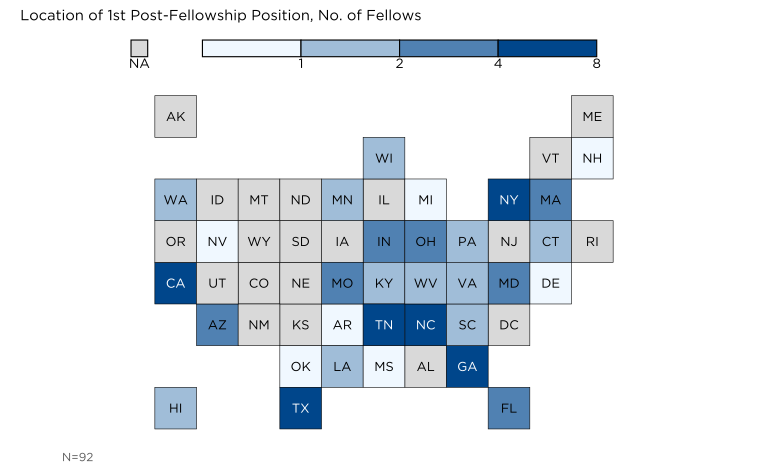
Of the 92 adult respondents who indicated the state of their first job, nephrologists were starting practice across 31 different states (Figure 13), with relatively higher density in the California and the South Census Region and fewer entering practice in the Mountain West. Half of the 102 respondents indicating the demographic areas for their first post-fellowship position were starting in large cities (49%, 50 respondents), followed by 22% in small cities (22), suburban areas (15%, 15), and rural practice (15%, 15 respondents).
Figure 13: Location of First Post-Fellowship Positions
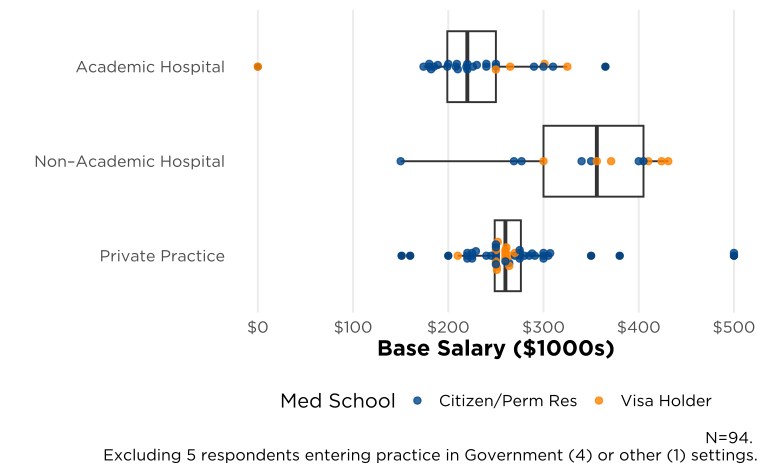
The overall median base salary for respondents’ first post-fellowship position was $251,000 (IQR $70,200), unchanged from last year. Women reported a similar median starting salary as that reported by male respondents (Figure 14), and visa holders reported slightly higher starting salaries (median $261,000) than citizens/permanent residents ($250,000) (Figure 15). This latter variation is most likely due to geographic variation, with visa holders likely practicing in medically underserved areas. Eighty percent of adult respondents were entering practice in full-time (i.e., 1 FTE) positions.
Adult fellow respondents employed by non-academic hospitals reported the highest median starting salaries ($356,000, IQR $105,000; 13 respondents), followed by private practice ($260,000, IQR $27,500; 52), and academic hospitals ($220,000, IQR $51,000; 29 respondents). A majority of fellows secured jobs in private practice (52, 55%), although women were more likely than men to be starting in academic hospitals (35% vs. 28%, respectively, Figure 16). After private practice, visa holders were likely to be entering non-academic hospitals (24%) than U.S. citizens/permanent residents (10%, Figure 17).
Figure 14: Base Salary by Gender
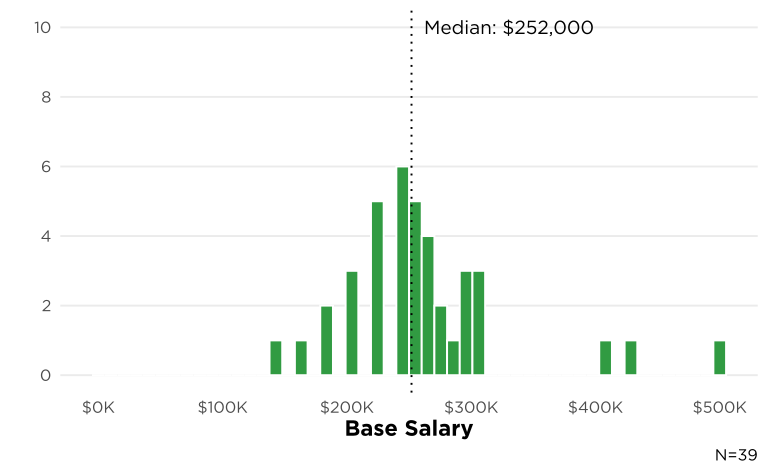
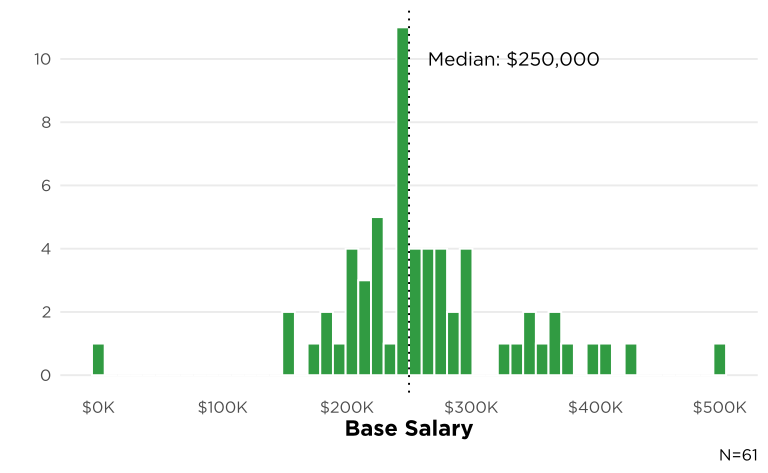
Figure 15: Base Salary by Visa Status
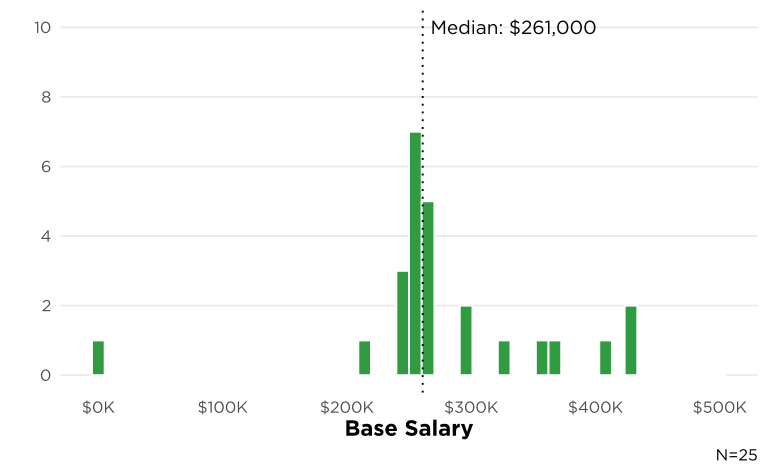
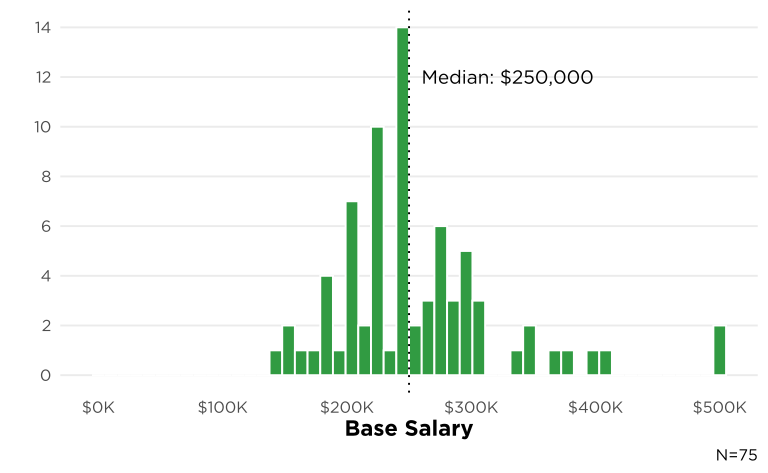
Figure 16: Base Salary—Employer and Gender
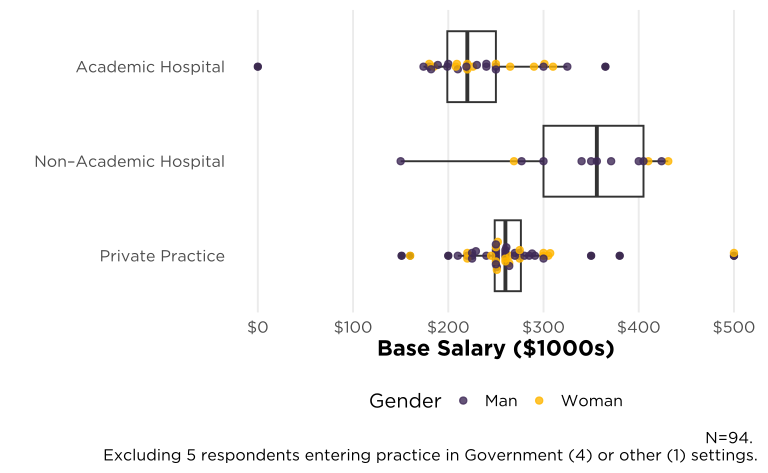
Figure 17: Base Salary—Employer and Visa Status
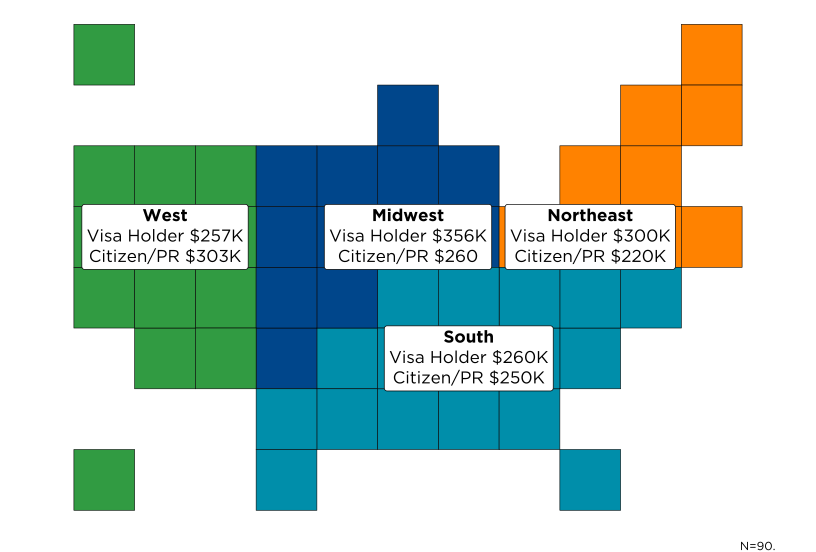
Fellows entering practice in the West Census Region had the highest median base starting salary ($282,000), with those starting in the Northeast reporting the lowest median salary ($245,000) (Figure 18).
Figure 18: Base Starting Salary by Census Region*
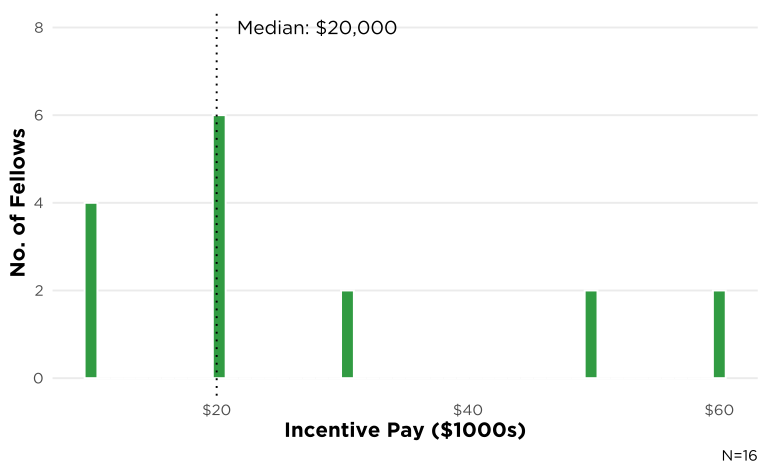
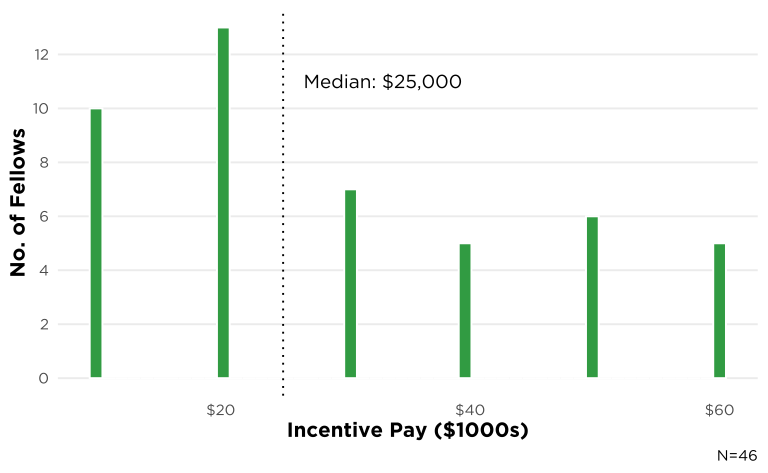
Malpractice insurance, a signing bonus, income guarantees, and relocation allowances were the top 4 incentives received (Table 7), although fewer respondents said the incentives they received were Very/Extremely important in choosing their position (47%) (Figure 19). Overall median bonus/incentive pay was $20,000 (62 fellows), with female respondents reporting slightly higher median incentive pay $30,000 (23 respondents) than men (median $20,000, 39 respondents) (Figure 20). Median incentive pay was similar between visa holders ($20,000) and U.S. citizens/permanent residents ($25,000) (Figure 21).
Table 7: Incentives Received
| Incentive | N (%)* |
|---|---|
| Malpractice Insurance | 64 (62%) |
| Sign-on bonus | 54 (52%) |
| Income guarantees | 43 (41%) |
| Relocation allowances | 43 (41%) |
| MOC/CME | 41 (39%) |
| Flexible schedule | 33 (32%) |
| Career development opportunities | 28 (27%) |
| Quality-Metric bonus payments | 22 (21%) |
| J-1 visa waiver | 21 (20%) |
| H-1 visa sponsorship | 17 (16%) |
| On-call/moonlighting payments | 12 (12%) |
| On-call payments | 8 (8%) |
| Spouse/partner job transition assistance | 8 (8%) |
| Loan repayment | 6 (6%) |
| Educational loan repayment | 6 (6%) |
| Protected time for research/research “start-up” package | 5 (5%) |
| Other | 5 (5%) |
| Real estate venture | 4 (4%) |
| *N=104 | |
Figure 19: Importance of Incentives
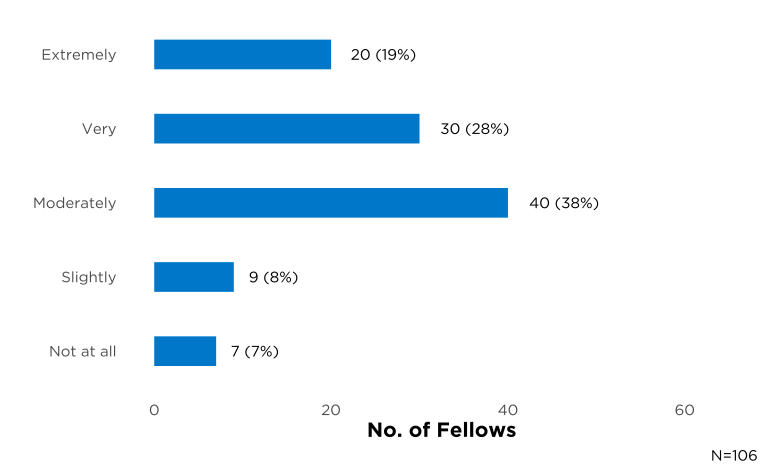
Figure 20: Incentive Pay
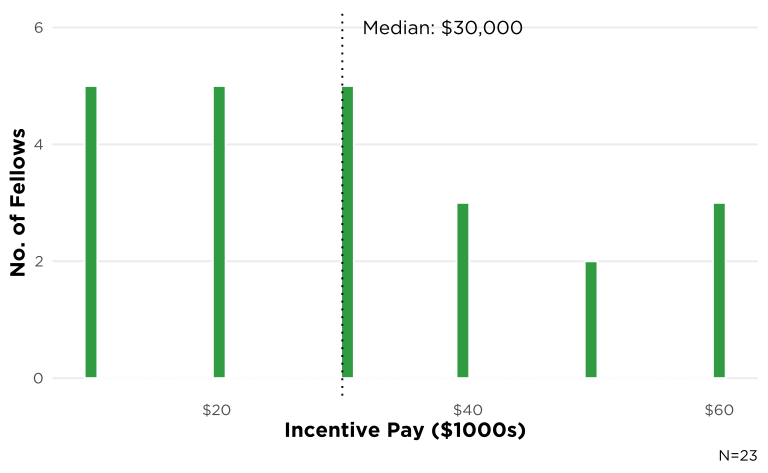
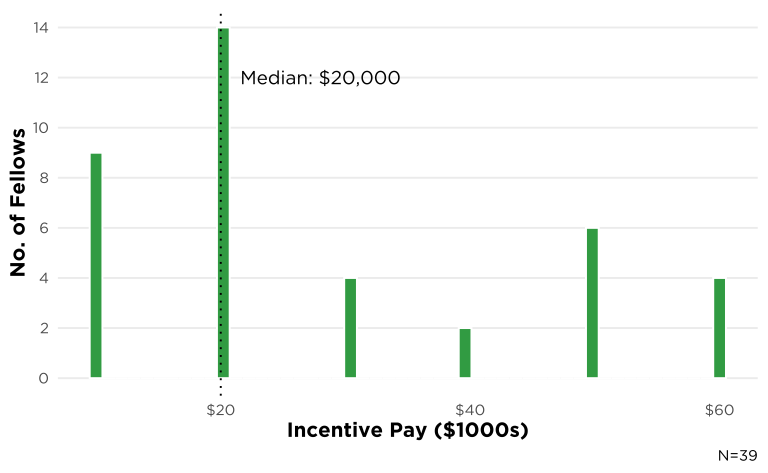
Figure 21: Incentive Pay—Visa Status
V. Pediatric Nephrology Fellows
NoteThis Section Reports PEDIATRIC Responses Only
V.1 Pediatric and Adult/Pediatric Fellow Demographics
A total of 47% of current pediatric fellows participated in this year’s survey (44 of 94), including 6 adult/pediatric fellows. Most pediatric fellow respondents were United States medical graduates (USMGs, 79%), women (68%), U.S. citizens (87%), and non-Hispanic Whites (54%; see Table 1). Compared with the most recent ACMGE data on pediatric fellows, respondents were similar to the overall pediatric nephrology fellow population with the exception that first-year pediatric respondents were significantly younger (p=0.008, Student’s t-test) (see Table 2). USMG pediatric respondents were mainly graduates of allopathic medical schools (91%, 31 fellows).
V.2 Educational Debt
Both pediatric and adult/pediatric participants reported carrying a higher debt burden than adult respondents. Median debt was $265,000 for pediatric and $324,000 for adult/pediatric fellows vs. $180,000 for adult fellows. Similar to the adult cohort, a majority of pediatric respondents chose nephrology during their PGY-2 and PGY-3 years of residency (58% vs. 40% for adult respondents).
V.3 Future Plans
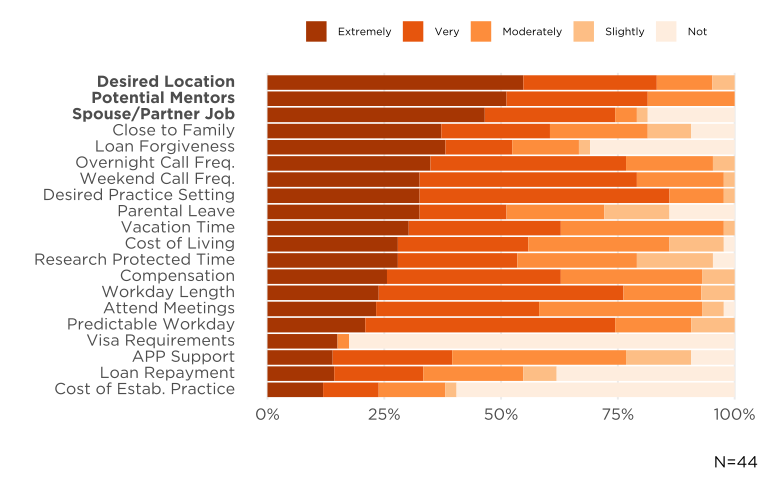
Nineteen respondents (44%) were continuing their current fellowship, with 15 (35%) entering academic practice, 2 (5%) entering private practice, 2 (5%) pursuing additional training, and 1 (2%) a post-doctoral research program (Figure 22). Of note, 4 respondents (9%) indicated they were entering a pediatrics residency. Fifteen pediatric respondents (35%) planned to remain in the same city/region as their fellowship program for their first position (Figure 23). Unlike adult fellow respondents, pediatric and adult/pediatric fellows highly valued positions in a desired location, availability of potential mentors, and opportunities for a position for their spouse/partner in the same area (Figure 24).
Figure 22: Future Plans
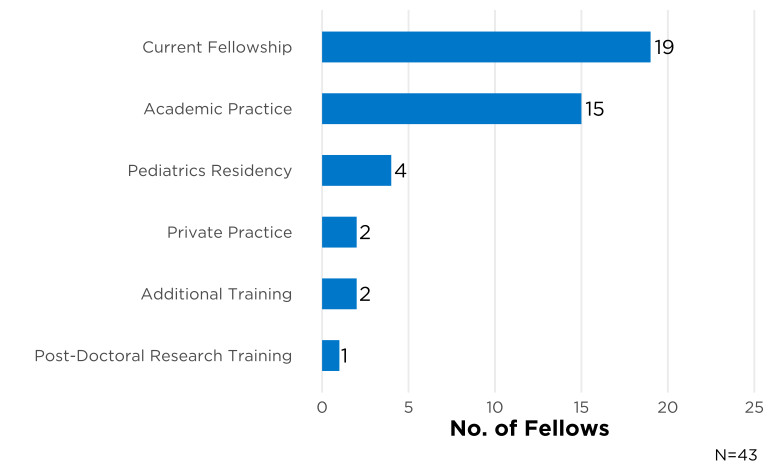
Figure 23: Planned Post-Fellowship Job Location
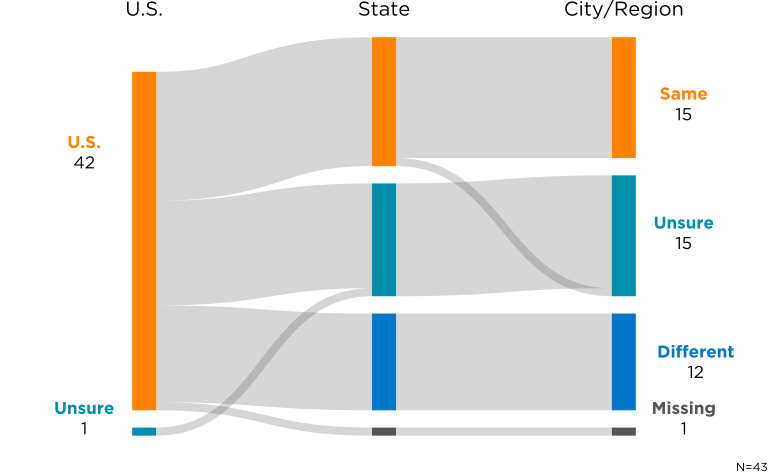
Figure 24: Important Factors for Pediatric Respondents
V.4 Job Market Perceptions
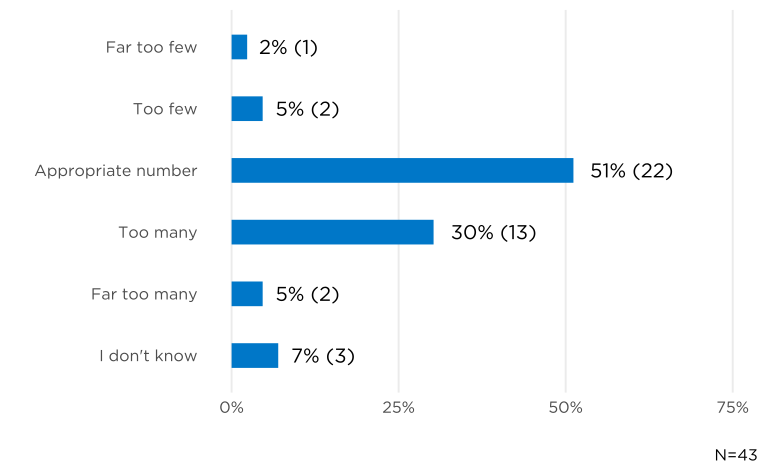
Overall, a majority of pediatric fellow respondents perceived an appropriate number of employment opportunities both in the local job market (within 50 miles of their fellowship institution; 53% of respondents) (Figure 25) and in the national market (51%) (Figure 26).
Figure 25: Local Pediatric Job Market Perspectives
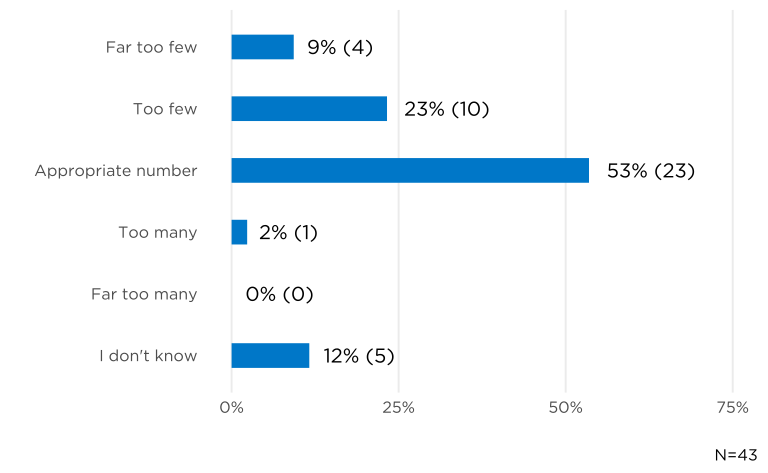
Figure 26: National Pediatric Job Market Perspectives
V.5 Entering Practice
Seventeen participants had started their job search, with 15 pursuing clinical positions, 5 nephrology research positions, and 1 a hospitalist position. Pediatric respondents applied for a median 3 positions and received a median 2 job offers. At survey time, all 17 pediatric respondents had accepted a position, with 14 fellows (82%) starting in clinical nephrology and 3 (8%) in nephrology research. Respondents entering pediatric nephrology practice anticipated diverse responsibilities for dialysis modalities (PD, CRRT, in-center HD), and outpatient and specialty clinics (Table 8).
Table 8: Responsibilities in Practice
| Responsibility | N (%)* |
|---|---|
| CRRT | 16 (94%) |
| General nephrology outpatient clinic | 16 (94%) |
| PD | 13 (76%) |
| Outpatient—In-center HD | 11 (65%) |
| Kidney biopsy | 10 (59%) |
| PLEX | 8 (47%) |
| Clinical research | 8 (47%) |
| Transplant outpatient clinic | 7 (41%) |
| Education | 7 (41%) |
| Apheresis | 6 (35%) |
| Hypertension Specialty Clinic | 3 (18%) |
| Glomerular disease specialty clinic | 3 (18%) |
| POCUS | 3 (18%) |
| Home HD | 2 (12%) |
| Nephrolithiasis specialty clinic | 2 (12%) |
| Other | 2 (12%) |
| Dialysis catheter placement | 1 (6%) |
| Basic science research | 1 (6%) |
| Translational research | 1 (6%) |
| *N=17 | |
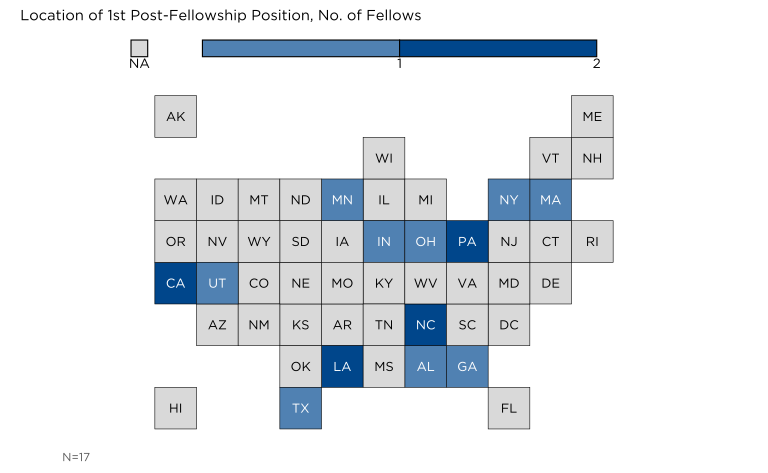
The 17 pediatric fellow respondents entering practice were starting positions across 13 states (Figure 27). Most (13 respondents, 76%) were starting jobs in a large city, with the remaining practicing in small cities (2, 12%) and suburban areas (2, 12%).
Figure 27: Location of First Post-Fellowship Positions
Base median starting salary was $200,000, unchanged from 2025 (Figure 28). Nine fellows (53%) also received incentive bonuses ranging from $10,000 to $30,000 (median $20,000). Other incentives reported included career development opportunities (71%) and malpractice insurance (65%) (Table 9). One-third (33%) of pediatric fellow respondents indicated incentives were “Very Important”/“Extremely Important” in choosing their first position. Twelve pediatric fellow respondents (71%) were starting in full-time positions, with the remaining 5 respondents ranging between 0.7 and 0.9 FTE.
Figure 28: Base Salary—Pediatric Fellows
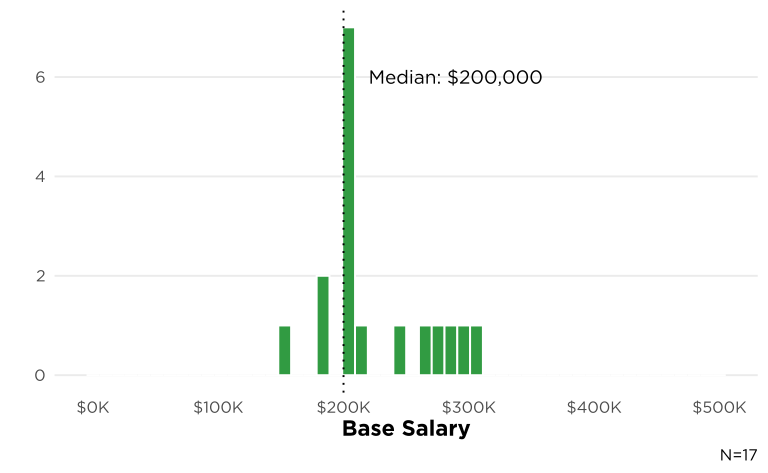
Table 9: Incentives Received
| Incentive | N (%)* |
|---|---|
| Sign-on bonus | 14 (82%) |
| Career development opportunities | 12 (71%) |
| Malpractice insurance | 11 (65%) |
| Relocation allowances | 10 (59%) |
| MOC/CME | 10 (59%) |
| Income guarantees | 5 (29%) |
| Quality-Metric bonus payments | 5 (29%) |
| Flexible schedule | 4 (24%) |
| Protected time for research/research “start-up” package | 2 (12%) |
| On Call/Moonlighting Payments | 2 (12%) |
| Other | 2 (12%) |
| H-1 visa sponsorship | 1 (6%) |
| Spouse/partner job transition assistance | 1 (6%) |
| *N=17 | |
VI. Transplant Nephrology Fellows
NoteThis Section Reports TRANSPLANT Fellow Responses Only
VI.1 Transplant Fellow Demographics
In the third year of the ASN Transplant Nephrology Fellow Survey, 55% (21 fellows) of the 38 transplant fellows participated. A slight majority of participating transplant fellows were U.S. citizens/permanent residents (11 respondents, 55%) and women (50%). Only 1 respondent identified as Hispanic/Latina/Latino (5%), with the majority of respondents identifying as Asian 55% (East Asian, 15%; South Asian, 30%; Southeast Asian, 10%), and 1 (5%) Black/African American.
VI.2 Choosing Transplant Nephrology
Most respondents (70%) decided to subspecialize in transplant during fellowship, although 1 (5%) had decided before, and 3 (15%) during, medical school. The remaining respondents chose transplant during residency (1 respondent, 5%) and after practicing as a nephrologist (1, 5%). The fulfillment of caring for transplant recipients (75%), the science and allure of transplant nephrology (65%), and having positive experiences during their transplant rotation (50%) were the most commonly cited motivations for pursuing transplant (Table 10). Similar to adult and pediatric respondents, 95% would recommend the subspecialty of transplant nephrology. Yet, out of 20 respondents who indicated their satisfaction with pursuing transplant, only 13 (65%) were very satisfied, with 5 (25%) only moderately satisfied and 2 (10%) very dissatisfied.
Table 10: Motivations to Pursue Transplant Nephrology
| Factor | N (%) |
|---|---|
| Fulfillment in caring for post-transplant patients | 15 (75%) |
| Science and allure of transplant nephrology | 13 (65%) |
| Positive experience with rotation or research in transplant | 10 (50%) |
| Desire to work at an academic center post-fellowship | 9 (45%) |
| Inspired by mentor | 7 (35%) |
| Being part of a multidisciplinary team | 7 (35%) |
| Expectation for a better salary post-fellowship | 4 (20%) |
| Expectation for a better lifestyle post-fellowship | 4 (20%) |
| Family reasons | 1 (5%) |
| Visa reasons | 1 (5%) |
| Job security | 1 (5%) |
| Prestige | 1 (5%) |
| *N=20 | |
VI.3 Job Search Experiences and First Positions
Twenty respondents were searching for employment, focusing on solely transplant nephrology (16 respondents), transplant nephrology combined with general nephrology (4 respondents), or another type of job (1 respondent). Twenty participants had accepted an employment offer, although 7 respondents experienced difficulty finding a position they considered satisfactory. Among the reasons for the difficulty were inadequate salary (6 respondents), a lack of transplant nephrology only positions (3), no protected time for research (2), visa requirements (2), lack of positions in a desired location (2) or practice setting (1), or jobs requiring too many practice locations/windshield time (1).
Of the 20 respondents entering their first post-fellowship position, 14 (70%) were focused solely on transplant nephrology, with 5 (25%) entering combined transplant/general nephrology practice and 1 (5%) starting a general clinical nephrology position. Fellows were entering practice in 15 different states, mainly in the Northeast, and South (Figure 29). Most respondents were starting in an academic hospital/health system (14 respondents, 70%), with 2 (10%) in a non-academic/independent transplant center, 2 (10%) in private practice, and 1 (5%) in government. Of the 12 participants reporting base starting salary, the overall median was $269,000 (IQR $49,500) (Figure 30). Base salary varied by practice type: respondents starting in dedicated transplant positions reported a median $252,000 (IQR $50,000) compared with those in joint transplant/general nephrology a median $300,000 (IQR $11,000) (the remaining practice types were censored due to small numbers). Seventeen will oversee outpatient transplant clinics, 15 (79%) post-transplant clinics, and 14 (74%) manage both living donor and recipient evaluations (Table 11).
Table 11: Transplant Nephrology Fellows: First Post-Fellowship Employment Responsibilities
| Responsibility | N (%)* |
|---|---|
| Outpatient clinic | 17 (89%) |
| Post-transplant clinic | 15 (79%) |
| Living donor evaluation | 14 (74%) |
| Recipient evaluation | 14 (74%) |
| Fellow, resident or medical student education | 14 (74%) |
| Patient education | 11 (58%) |
| Inpatient transplant service for kidney and/or pancreas transplant recipients | 11 (58%) |
| Clinical research | 9 (47%) |
| Inpatient service for other organ transplant recipients with kidney issues | 9 (47%) |
| Kidney biopsy | 7 (37%) |
| Waitlist management | 7 (37%) |
| Living donor transplant program | 6 (32%) |
| Quality Improvement Program | 6 (32%) |
| Inpatient general nephrology service | 5 (26%) |
| PLEX/Apheresis | 5 (26%) |
| Transplant Center Medical Director | 4 (21%) |
| Organ offer call | 4 (21%) |
| Satellite clinics—One state licensure | 3 (16%) |
| Satellite Clinics—multi-state licensure | 3 (16%) |
| POCUS | 3 (16%) |
| Outpatient in-center hemodialysis | 2 (11%) |
| Translational research | 1 (5%) |
| PD | 1 (5%) |
| Medical directorship with a dialysis provider | 1 (5%) |
| *N=19 | |
Figure 29: Location of First Post-Fellowship Positions
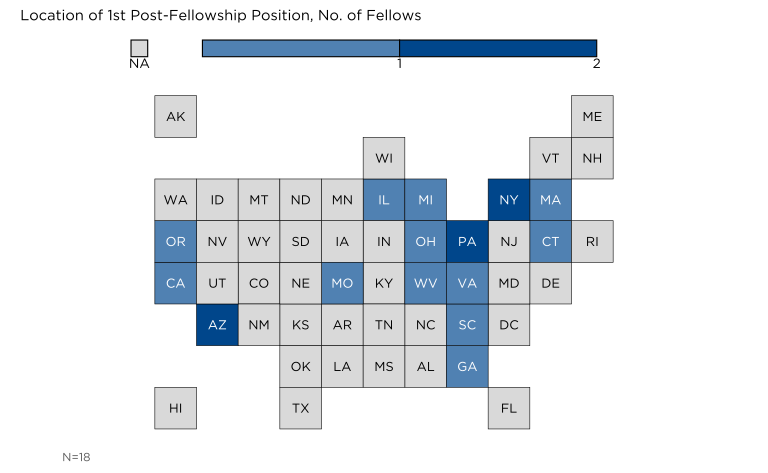
Figure 30: Base Salary—Transplant Nephrology Fellows
Acknowledgments
The authors thank Mr. Cole August and the American Society of Pediatric Nephrology for their assistance with the pediatric nephrology fellow survey frame, and Dr. Sumi S. Nair for her work to assemble the transplant nephrology fellow survey frame. The authors also thank the responding adult, pediatric, adult/pediatric, and transplant nephrology fellows for their contributions to this research.
Methods
Why does ASN survey nephrology fellows in training?
Since 2014, ASN has conducted an annual fellow survey to understand:
- The composition of the incoming workforce, including race, ethnicity, and gender
- Motivating factors for choosing the specialty to tailor approaches to sustain interest in nephrology
- Potential gaps in nephrology education
- Demand for nephrologists in the U.S.
How was the survey constructed?
The survey instrument comprised:
- Longitudinal questions drawn from the original 2014 survey focusing on job search experiences, perceptions of the specialty, practice patterns, and demographics
- Questions developed by the ASN Data Subcommittee to assess nephrology fellows’ training experiences and perceptions of the specialty
The final instrument was piloted by ASN Data Subcommittee members and distributed via Qualtrics.
Who were surveyed?
The 2026 ASN Nephrology Fellow Survey was disseminated to a survey frame of 991 adult, pediatric, and adult/pediatric nephrology fellows drawn from the ASN (897 adult fellows) and American Society of Pediatric Nephrology (94 fellows) member databases. The survey received a 39% response rate, with participation from 340 adult, 38 pediatric, and 6 adult/pediatric fellows in training.
A separate ASN Transplant Nephrology Fellow Survey was distributed to 38 transplant fellows provided by current transplant fellowship TPDs. Of these, 21 participated (55% response rate).
Although this survey captures physician trainee perspectives, nephrology workforce planning should also consider advanced practice providers (APPs), nurse practitioners and physician associates, who are increasingly central to care delivery in dialysis, CKD, and transplant settings. Future reports may benefit from framing fellow trends alongside APP integration to reflect team-based care.
When was the survey conducted?
Invitation emails were sent to adult fellows on April 27, 2026, and the survey closed on May 27, 2026. Participating fellows were eligible to win 1 of 10 complimentary 1-year ASN memberships or 1 of 2 complimentary BRCU registrations.
How were responses analyzed?
The ASN Nephrology Fellow Survey was reviewed and approved by the Johns Hopkins University School of Medicine Institutional Research Board (Study # 00205206). Data obtained from 2026 responses were analyzed using R (R Core Team (2026). R: A Language and Environment for Statistical Computing. R Foundation for Statistical Computing, Vienna, Austria. https://www.R-project.org/.).
Citation
BibTeX citation:
@online{a._pivert2026,
  author = {A. Pivert, Kurtis and M. Boyle, Suzanne and Chowdhury, Raad
    and Edwards, Angelina and Lard, Michelle and Lapierre-Nguyen,
    Stephanie and Ann C. Lim, Mary and Sukumaran Nair, Sumi and A.
    Neyra, Javier and S. Ravipati, Prasanti and Saum, Keith and M.
    Sozio, Stephen and Davis Steitz, Alyssa and K. Weidemann, Darcy},
  title = {2026 {ASN} {Nephrology} {Fellow} {Survey}},
  date = {2026-10-15},
  url = {https://data.asn-online.org/posts/2026_fellow_survey/},
  doi = {10.70093/w79998818},
  langid = {en}
}
For attribution, please cite this work as:
A. Pivert, Kurtis, Suzanne M. Boyle, Raad Chowdhury, et al. 2026.
“2026 ASN Nephrology Fellow Survey.” October 15. https://doi.org/10.70093/w79998818.